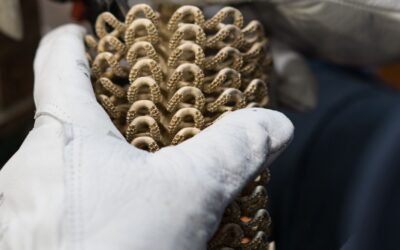
Metal components for bags play a strategic role in the design, functionality, and perceived quality of handbags and leather goods. Far from being simple decorative details, metal components are structural, mechanical, and aesthetic elements that directly influence durability, usability, and brand identity.
In the contemporary fashion and luxury leather goods industry, selecting the right metal components for bags requires a deep understanding of materials, manufacturing processes, tolerances, finishes, and customization possibilities.
For designers, product developers, and manufacturers, metal components are integral to product engineering. Rings, buckles, clasps, chains, hooks, and metal plates must withstand repeated mechanical stress while maintaining flawless aesthetics over time. At the same time, they represent a powerful branding tool, often becoming a recognizable signature element of a collection.
This guide explores metal components for bags from a technical and industrial perspective, focusing on professional applications in fashion and luxury manufacturing.
What Are Metal Components for Bags
Metal components for bags include all metallic elements used to support, connect, decorate, or reinforce handbags and leather accessories. These components interact directly with leather, textiles, and synthetic materials, contributing to both the mechanical integrity and the visual identity of the product. Their function goes beyond appearance, as they often absorb loads, distribute stress, and enable controlled movement between different parts of the bag.
In high-end leather goods production, metal components are engineered with precision. Dimensional accuracy, surface consistency, and material performance are critical, especially when components are subjected to frequent use. Poorly designed metal hardware can compromise not only the durability of the bag but also the overall user experience. As a result, professional manufacturers increasingly rely on advanced production technologies and custom development to meet the quality expectations of premium markets.
Main Types of Metal Components for Bags
Metal components for bags can be categorized according to their function and application within the product. Each category involves specific technical requirements and design considerations.
Metal Rings for Bags: D-Rings, Oval Rings, Rectangular Rings
Metal rings are among the most widely used components in bag manufacturing. They serve as attachment points for handles, shoulder straps, chains, and decorative elements. D-rings are commonly used for their ergonomic shape and structural stability, while oval and rectangular rings are preferred for cleaner, more geometric designs.
From a technical standpoint, the cross-section thickness, welding quality, and material selection determine the load-bearing capacity of the ring. Welded rings are typically chosen for heavy-duty applications, whereas open rings may be used for decorative or low-stress components. Precision manufacturing ensures smooth edges and uniform surfaces, preventing premature wear on leather straps and fabrics.
Buckles and Adjusters for Bags
Buckles are essential metal components for bags that require length adjustment or secure fastening. Adjustable buckles, slide buckles, and double buckles must guarantee consistent performance under repeated movement. Mechanical precision is crucial to avoid slippage or deformation over time.
In luxury handbags, buckles often become focal design elements. Their geometry, thickness, and finish must align with the overall aesthetic of the collection. High-quality galvanic finishes enhance both durability and visual appeal, ensuring long-term resistance to abrasion and corrosion.
Metal Clasps and Closures for Bags
Closures are critical components that define both security and usability. Magnetic clasps are popular due to their ease of use, but they require careful calibration of magnetic force to balance accessibility and safety. Mechanical clasps, such as turn-locks and push-locks, involve moving parts that demand tight tolerances and precise assembly.
In professional bag manufacturing, closures are frequently customized to reflect brand identity. Unique shapes, engraved logos, and bespoke mechanisms transform functional components into distinctive design features, reinforcing the brand’s positioning in the market.
Metal Chains for Handbags and Shoulder Bags
Metal chains are used as shoulder straps, handles, or decorative elements. They must combine aesthetic refinement with mechanical reliability. Chain links must be uniformly shaped, correctly assembled, and finished to avoid sharp edges or inconsistencies.
Weight optimization is a key consideration. A chain that is too heavy compromises comfort, while one that is too light may feel fragile. Advanced manufacturing techniques allow for precise control over link geometry and thickness, ensuring a balance between strength, ergonomics, and design.
Hooks, Snap Hooks, and Metal Ganchos for Bags
Hooks and snap hooks enable modularity and interchangeability in bag design. They are commonly used to attach removable straps or accessories. These components are subject to repeated opening and closing cycles, requiring materials with excellent fatigue resistance.
Rotating snap hooks, in particular, require high-precision machining or casting to ensure smooth rotation without excessive play. Surface finishing is equally important, as hooks are often highly visible and frequently handled by the end user.
Zipper Pullers and Metal Accessories for Zippers
Zipper pullers are small but highly impactful metal components for bags. They influence the tactile experience of opening and closing the bag and contribute to overall product quality perception. Custom zipper pullers often incorporate brand logos, engraved details, or proprietary shapes.
From a technical perspective, the attachment point between the puller and the zipper slider must be robust enough to withstand continuous stress. Surface treatments must resist wear caused by frequent contact with hands and other materials.
Metal Plates, Tags, and Logo Components
Metal plates and tags are primarily decorative but play a crucial role in branding. They are often used to display logos, brand names, or collection identifiers. These components require high-definition detailing, clean edges, and flawless finishes.
Manufacturing processes such as lost-wax casting or CNC machining enable complex shapes and fine details. In luxury bags, metal plates are frequently combined with additional treatments such as enamel, resin, or textured surfaces to enhance visual depth and exclusivity.
Materials Used in Metal Components for Bags
Material selection directly affects performance, weight, and aesthetics. Brass is widely used for its mechanical stability and excellent surface finish quality. Zinc alloys allow for complex geometries and cost-efficient production, making them suitable for intricate components. Steel offers superior strength but requires advanced surface treatments to prevent corrosion. Stainless steel is chosen for applications where maximum durability and resistance are required.
Each material interacts differently with galvanic finishes, influencing color consistency, wear resistance, and long-term appearance. Selecting the appropriate material is therefore a strategic decision that impacts both production efficiency and product longevity.
Finishes and Surface Treatments for Metal Components for Bags
Surface finishing is a defining factor in luxury bag hardware. Galvanic finishes such as gold, nickel, palladium, ruthenium, gunmetal, and matte variants enhance both aesthetics and durability. Professional metal components for bags undergo rigorous testing to ensure resistance to abrasion, oxidation, humidity, and skin contact.
Uniformity of color and thickness is essential, especially when multiple components are used on the same product. Advanced finishing processes ensure consistency across production batches, a critical requirement for fashion brands operating at scale.
Manufacturing Processes for Metal Components for Bags
Modern bag hardware manufacturing relies on a combination of advanced technologies. Lost-wax casting enables complex shapes with excellent surface definition, making it ideal for custom components and branded elements. Selective laser sintering (SLS) supports rapid prototyping and small production runs, allowing designers to validate concepts quickly.
Stamping and die-casting are preferred for high-volume production, while CNC machining is used for components requiring extremely tight tolerances. CAD-based design and prototyping streamline development, reduce lead times, and improve overall product quality.
How to Choose the Right Metal Components for Bags
Selecting metal components for bags involves balancing design intent, functional requirements, and production constraints. Load-bearing capacity, frequency of use, compatibility with materials, and assembly processes must all be considered. For luxury bags, aesthetic coherence and brand identity are equally important.
Professional manufacturers evaluate components not only as individual parts but as elements within a system. This holistic approach ensures that metal components integrate seamlessly into the final product, enhancing both performance and visual impact.
Custom Metal Components for Bags as a Competitive Advantage
Customization is a key differentiator in the fashion and luxury market. Custom metal components for bags allow brands to create unique products that stand out in a crowded marketplace. Bespoke shapes, engraved logos, proprietary mechanisms, and exclusive finishes transform hardware into a brand signature.
Advanced manufacturing technologies make it possible to develop custom components efficiently, even for limited editions or seasonal collections. This flexibility supports innovation while maintaining consistent quality standards.
Why Fashion Brands Choose Micromet Srl for Metal Components for Bags
Micromet Srl is a specialized partner for fashion brands and leather goods manufacturers seeking high-quality metal components for bags. Combining artisanal expertise with advanced industrial technologies, Micromet supports clients throughout the entire development process, from design and prototyping to full-scale production.
With capabilities in lost-wax casting, laser sintering, and precision finishing, Micromet delivers custom metal components that meet the highest technical and aesthetic standards. The company’s flexible production model allows it to manage both small series and large volumes, ensuring consistent quality, reliable lead times, and close collaboration with design and production teams.
Develop Your Metal Components for Bags with Micromet
For fashion brands, designers, and manufacturers looking to elevate their products, high-quality metal components for bags are a strategic investment. Micromet offers tailored solutions that combine technical excellence, customization, and manufacturing reliability.
From concept to production, Micromet partners with clients to develop metal components that enhance durability, functionality, and brand identity, supporting the creation of premium bags designed to perform and stand out.